
Speaking Themes
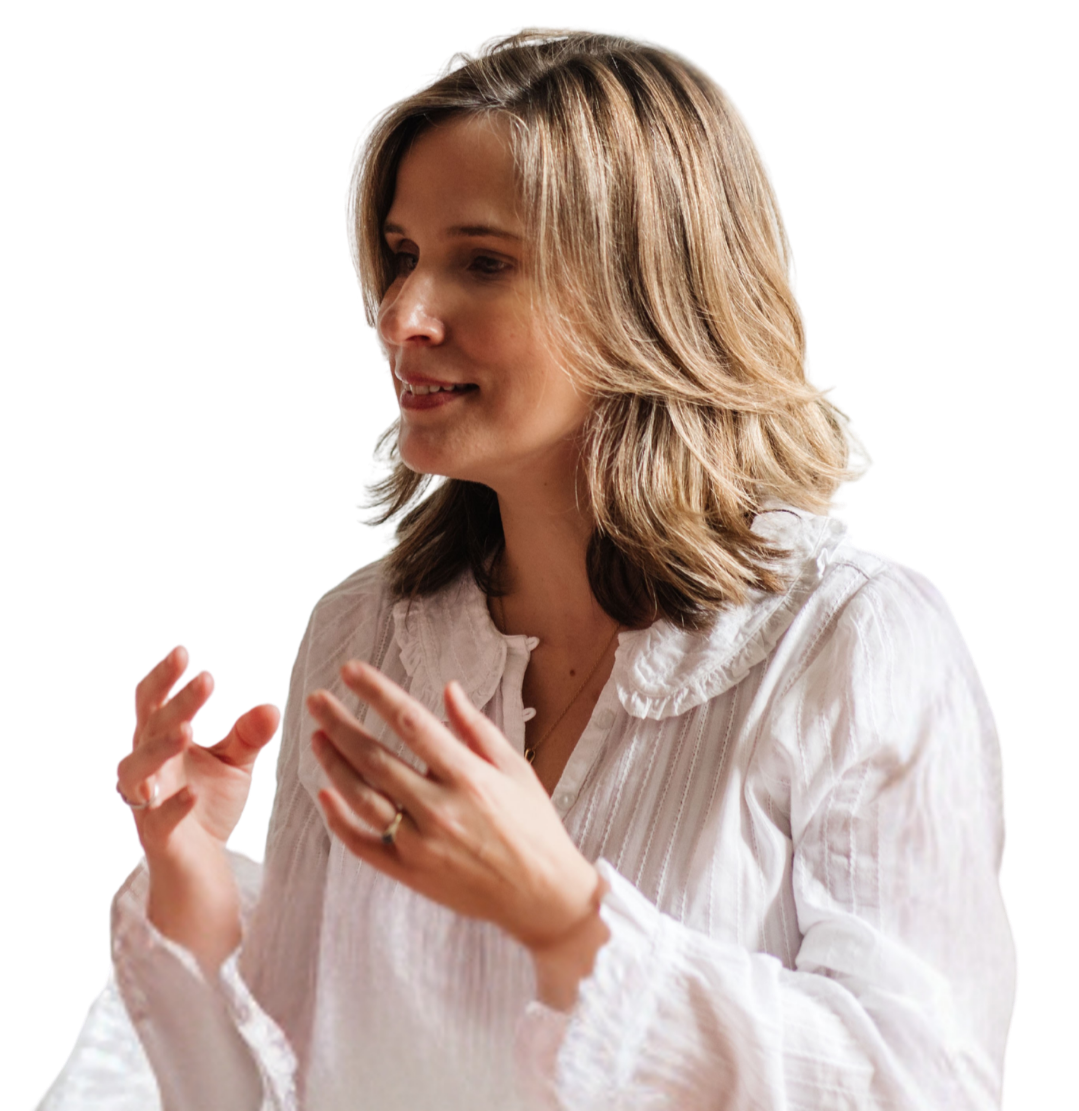
The audience changes, but the question doesn’t.
Parents, counselors, and school leaders sit in different places, but all of them shape how young people learn to choose—and all of them have to decide when to help, when to intervene, and when the decision belongs to someone else.
My talks are built around that tension and adapted for the people in the room.
For Parents
When Your Child’s Decision Isn’t Yours
What changes when the person you’ve spent eighteen years making decisions for begins making consequential ones for herself.
The Highly Prepared, Under-Rehearsed Child
Why capable young people can arrive at the edge of adulthood with remarkably little practice choosing for themselves.
Where Are Your Hands?
A practical way to separate what belongs to you, what you can influence, and what you have to let someone else own.
For Counselors & Practitioners
The College Process Is an X-Ray
What college planning reveals about independence, family dynamics, and who has learned to make consequential decisions.
Counseling the Family, Not Just the Student
How to keep parents engaged without allowing parental anxiety to organize the process.
Teaching Students to Choose
How to move counseling away from helping students become better applicants and toward helping them become better decision-makers.
For Boards, Heads & School Leaders
What Is Your College Counseling Program For?
Before adding another program, presentation, or service, decide what you want students to be able to do when the process is over.
A Busy Calendar Is Not a Program
How schools mistake activity for purpose—and what becomes possible when they stop.
The Highly Prepared, Under-Rehearsed Student
What schools may be teaching when students become extraordinarily good at meeting expectations but have little practice deciding what they want.
Talks and workshops can be adapted for schools, conferences, parent programs, and leadership teams.
For Parents
Where are your hands?
One question changes the entire conversation: Where are your hands? Using one family's spring, we separate what belongs in our hands, what can be influenced, and what never did—so a family's effort can return to the choices that carry meaning. This is the framework that anchors all of my work—and the talk I can give anywhere, with or without slides.
The Identity Threshold
What happens inside a family when a child becomes old enough to decide their own future?
Money, class, fear, old ambitions, love, grief, authority—they all arrive at the kitchen table together. This talk looks beyond admissions to the household itself, asking what parents are actually being asked to become during the long transition from childhood to adulthood.
For Counselors & Practitioners
Teaching Students to Decide, Not to Perform
Most college counseling teaches students how to present themselves. This workshop asks what it would look like to teach them how to decide instead.
Participants learn the Big Idea Breakdown framework through live cases, discussion, and practice rather than presentation alone.
How We Privatized Curiosity
Artificial intelligence did not invent incuriosity. It accelerated habits that were already there.
This talk examines how optimization culture, admissions incentives, and well-meaning adults have gradually taught students to convert questions into evidence before curiosity has time to deepen—and what educators can do differently.
For Boards, Heads & School Leadership Teams
The Graduate of 2030
The graduates of 2030 will not be distinguished by what they know. They'll be distinguished by how they make decisions when nobody knows.
This keynote explores what those students will need, where current incentives fall short, and how schools can build graduates who know how to think under uncertainty rather than simply perform under evaluation.
What Optimization Is Costing You
Every school optimizes for something. Eventually, students learn to optimize for it too.
This talk examines how schools unintentionally train students toward optimization, certainty, and performance—and how small institutional decisions shape the kind of graduates schools ultimately produce.
Follow Mindy on Substack
xo, Mindy
How decision-making is built in families and why the college process reveals it more clearly than anywhere else.
The Bridge
Field notes and timely, thoughtful insights on Chinese student mobility and international admissions.